Cleaner air.
Health we can
help protect.
A new European initiative to turn science and policy into cleaner air where people live, learn, play and work—and measure whether it makes a difference.
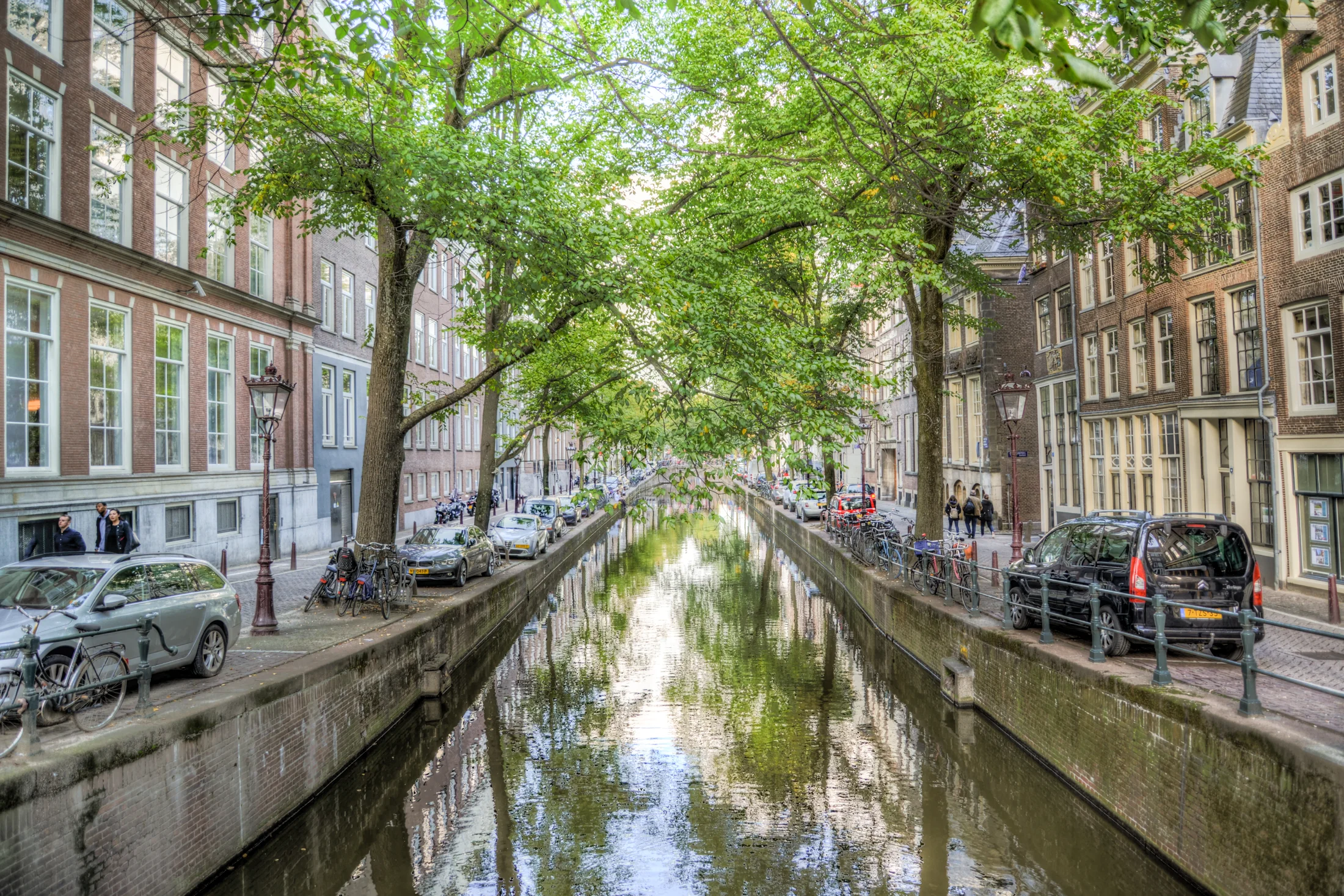
with the air around us.
We cannot always see it.
Our bodies still
experience it.
Air pollution affects the lungs, the heart and the course of a healthy life. Children, older people and people with existing illness can be especially vulnerable.
A national average cannot tell the whole story of a school gate, a residential street or a daily journey. Our starting point is the air people actually breathe.
Why cleaner air mattersHealth evidence: WHO ↗ · European Environment Agency ↗
From knowing the risk
to changing the exposure.
Better standards matter. So does the work between a policy decision and a measurable change in daily life.
What do we know?
Use established science. Identify uncertainty. Understand the people and places most affected.
What can change?
Help local partners choose and deliver a feasible intervention, with clear responsibility for action.
Did it work?
Measure exposure against a credible comparison. Explain what we can—and cannot—attribute to the intervention.
Science is the starting point.
Change is the test.
One connected process. Designed to learn from a first Dutch pilot and become useful elsewhere in Europe.
Measure
Establish a reliable baseline where people spend their time.
Understand
Identify sources, health priorities and practical legal options.
Intervene
Work with local partners to put a feasible change in place.
Evaluate
Test what changed, for whom, and whether we contributed.
Scale
Replicate what works. Adapt or stop what does not.
A local question.
A European learning opportunity.
Cleaner air in residential neighbourhoods.
Could a practical intervention reduce exposure to residential wood smoke? A potential first Dutch case will test how local measurement, public-health evidence and municipal action can work together.
This is a starting point for the method. Future priorities will follow the evidence and the potential health benefit.
Read the pilot conceptWhat changed?
Who benefited?
Our ambition is healthier lives. Our early test is measured exposure reduction. We will not turn activity counts into claims of health impact.
People covered by implemented protections
Attributable PM₂.₅ change
Municipalities implementing action
Disease burden avoided
Healthy life years protected
Health impact per euro
Stronger standards.
Work still to do.
Europe’s revised air-quality directive brings stricter standards for 2030. Implementation will depend on national frameworks and action by the responsible authorities.
Legal compliance and personal exposure are different questions. We intend to help local partners address both.
Understand the European contextCloser to health-based guidance.
Not a guarantee of risk-free air.
Reference values, not local measurements. *Subject to the directive’s conditional postponement provisions. Different averaging periods cannot be compared directly.
Directive (EU) 2024/2881, Annex I ↗ · Council adopted text ↗
WHO global air quality guidelines ↗
Help build the evidence.
Help make the change.
The first 18 months will test the method, establish independent governance and prepare the first pilot. We are looking for partners who value honest answers as much as ambitious questions.
Explore the founding opportunity“If an intervention does not work, that is a finding to publish—not a story to hide.”
A founding principle. Methods, uncertainty and funding relationships should be visible alongside results.
Read our independence principles